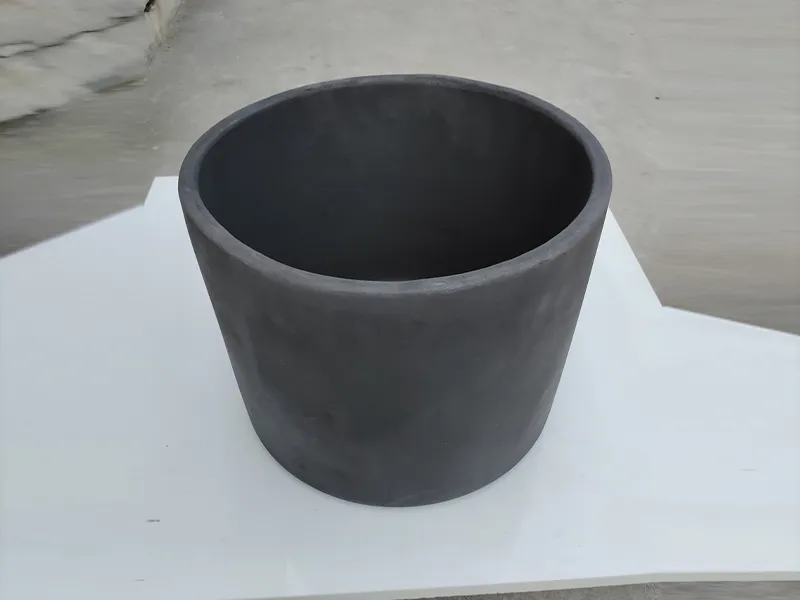
In the world of high-precision manufacturing and laboratory testing, kiln saggers, or crucibles made from zirconia, play a pivotal role due to their ability to withstand extreme temperatures (up to 2,400°C), corrosion, and thermal shock. For industries reliant on material stability, the decision-making process regarding the choice of kiln crucibles can become paramount. Common pain points include achieving the desired purity level while avoiding contamination and ensuring longevity in harsh environments. This article explores the pros and cons of zirconia crucibles, offering insights based on data and expert opinion to guide potential buyers.
Zirconia crucibles offer numerous advantages that cater to the demanding needs of modern laboratories and production processes. Firstly, they exhibit exceptional thermal stability, maintaining integrity at temperatures reaching up to 2,400°C without undergoing significant deformation. According to studies, zirconia's thermal conductivity can be measured at 2.4 W/(m·K), making it an optimal choice for high-temperature applications.
The durability of zirconia crucibles is another key advantage. Laboratory tests have indicated that these crucibles have a lifespan that can exceed 1,500 uses under typical conditions, markedly increasing operational efficiency and reducing costs associated with frequent replacements. Mingte's zirconia crucibles, for instance, have been shown to withstand more than 1,800 thermal cycles, offering reliability that translates into consistent experimental results.
Despite their numerous benefits, it is crucial to acknowledge the downsides of zirconia crucibles. The primary concern is their relatively high cost, which can be up to 50% more expensive than alternative materials such as alumina. For smaller laboratories or companies with budget constraints, this presents a significant financial consideration. Additionally, zirconia is more brittle than other materials; therefore, mishandling can lead to breakage. It is advisable to implement careful handling protocols to mitigate these risks.
To prevent potential issues, users should consider using protective coatings or casings during transportation and storage. Furthermore, invest in training for staff to ensure awareness of the sensitive nature of zirconia crucibles, minimizing the risk of damage. Regular maintenance of the crucibles is also recommended to extend their operational lifespan.
When deliberating whether to invest in zirconia crucibles, one should weigh the long-term benefits against the initial cost. If high-temperature applications and the requirement for purity are crucial for your processes, investing in zirconia crucibles can result in improved outcomes and lower overall operational costs due to their durability. For high-stakes industries like pharmaceuticals and electronics, the precision offered could mean the difference between successful products and costly failures. In contrast, for less demanding applications, a less expensive crucible might suffice.
Zirconia crucibles are ideal for industries that require high precision and durability under extreme temperatures, such as ceramics, metallurgy, and chemical analysis. Laboratories that prioritize contamination control should also consider these crucibles due to their inert nature. However, smaller laboratories or budget-limited projects may find that alternatives provide sufficient performance without the higher price tag. In such cases, consider trialing zirconia crucibles in high-priority experiments before committing to a full-scale replacement of current materials.
While zirconia crucibles are suitable for most high-temperature applications, they are particularly effective for materials that may react with metals, making them a preferred choice in metal oxide synthesis.
Gently clean zirconia crucibles with a solvent suitable for the chemicals they were exposed to, avoiding abrasive materials that can scratch the surface.
Mingte offers high-quality zirconia crucibles known for their durability and performance. Their products are widely respected in the industry for their consistent quality.
For more information on zirconia crucibles and to explore additional resources, visit our website.