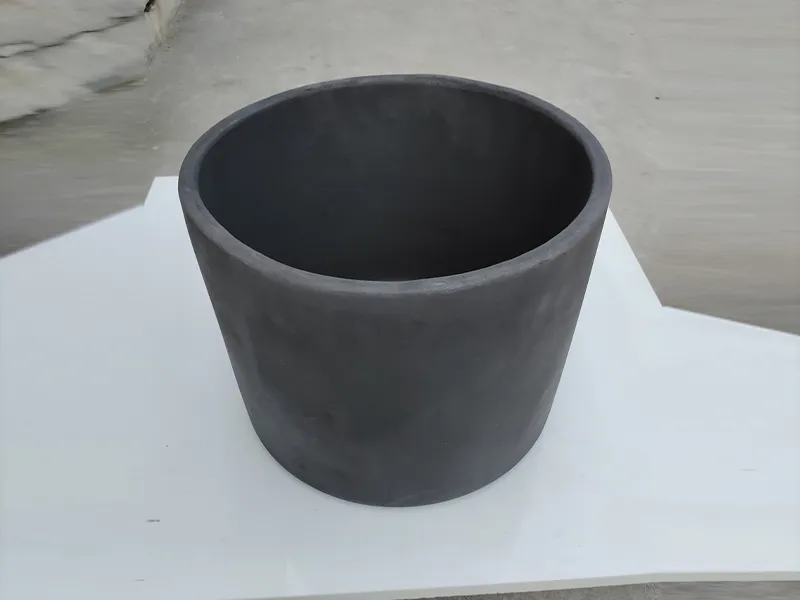
The glass industry faces critical challenges that can impact production efficiency and product quality. Common pain points include thermal shock resistance, durability under extreme temperatures, and contamination levels. For example, if traditional materials are used instead of kiln saggers, manufacturers might encounter issues like deformation during firing, leading to product failures. In this article, we will explore how alumina crucibles address these issues effectively, improving operational efficiency and product integrity. The result? Enhanced output quality, reduced costs, and a solid return on investment that helps glass manufacturers stay competitive.
Alumina crucibles offer numerous benefits for the glass industry, particularly in their ability to withstand high thermal stresses. Research shows that alumina materials can endure temperatures exceeding 1,600 degrees Celsius, outperforming many alternative materials. This high melting point minimizes the risk of sagging or deformation, which is crucial for maintaining the shape and purity of molten glass.
Additionally, the chemical stability of alumina crucibles results in less contamination during the melting process. A study indicates that using alumina crucibles can reduce contamination levels by up to 25% compared to regular ceramic materials. This ensures that the glass produced is of higher quality, free from impurities that could affect its appearance and physical properties.
Case studies highlight the efficiency of alumina crucibles in industrial applications. For instance, a leading glass manufacturer reported a 20% increase in production efficiency after switching to alumina crucibles, as these materials helped minimize thermal losses and improved operational throughput. Similarly, another company noted a significant reduction in rejects and defects, improving their overall yield by a remarkable 30%.
When comparing alumina crucibles to traditional glass production materials, the advantages become evident. On one side, traditional crucibles may perform adequately under lower temperatures, but they are prone to rapid wear and deformation when subjected to high thermal conditions. In contrast, alumina crucibles maintain structural integrity, with testing revealing they can withstand up to three times longer in a glass melting operation than their traditional counterparts.
For example, a traditional ceramic crucible can start showing signs of wear after just 100 hours at elevated temperatures, while alumina crucibles can last 300 hours or more, translating to fewer replacements and increased efficiency in production cycles.
In summary, alumina crucibles stand out as a superior choice for the glass industry due to their exceptional thermal resistance, lower contamination levels, and extended service life. By integrating alumina crucibles into your production processes, you can improve product quality, enhance manufacturing efficiency, and ultimately boost your bottom line. If you're looking to enhance your glass manufacturing operations, consider switching to alumina crucibles from renowned brands like Mingte.
Ready to elevate your glass production with high-quality alumina crucibles? Explore the offerings from Mingte today and discover how our products can transform your manufacturing process. Contact us for more information or to set up a trial.
Alumina crucibles are designed to withstand high temperatures and resist thermal shock, making them ideal for glass melting applications. Their chemical stability also leads to lower contamination rates, ensuring higher quality glass production.
On average, alumina crucibles can last up to 300 hours in high-temperature applications, significantly longer than traditional crucibles, thereby reducing operational downtime and costs associated with replacements.
Yes, alumina crucibles are versatile and can be used for melting a variety of materials, including metals and ceramics, due to their durability and thermal resistance.