Sintering is a process used to create solid materials from powders by applying heat without melting the material to the point of liquefaction. This technique is crucial for manufacturing kiln crucibles, which are essential in metal and ceramic industries.
Different materials will react differently under various sintering processes. The choice of material impacts thermal stability, chemical resistance, and mechanical strength.
Crucibles with optimal porosity and density offer better thermal conductivity and prevent melting under high temperatures.
Temperature plays a critical role in defining the microstructure and properties of the crucible. Higher temperatures typically lead to increased strength but may also result in brittleness.
Select a material that matches the operational requirements of your kiln crucible. Consider factors like thermal expansion and toxicity.
Evaluate the types of sintering methods and select one that allows you to achieve the desired properties in your crucible.
Conduct tests to find the ideal sintering temperature for your specific material to ensure high performance.
Implement regular quality checks to ensure the sintering process correctly affects the texture and microstructure of the crucibles.
Ignoring the intrinsic properties of the materials involved can lead to subpar crucible performance and premature failure.
Failure to maintain correct temperatures can result in incomplete sintering or damage to the crucibles.
Skipping quality checks can lead to using defective crucibles that may fail during operation.
Mingte specializes in producing high-performance kiln crucibles optimized for various applications. Our sintering processes ensure that every crucible meets stringent quality and performance standards, providing a reliable solution for industrial needs.
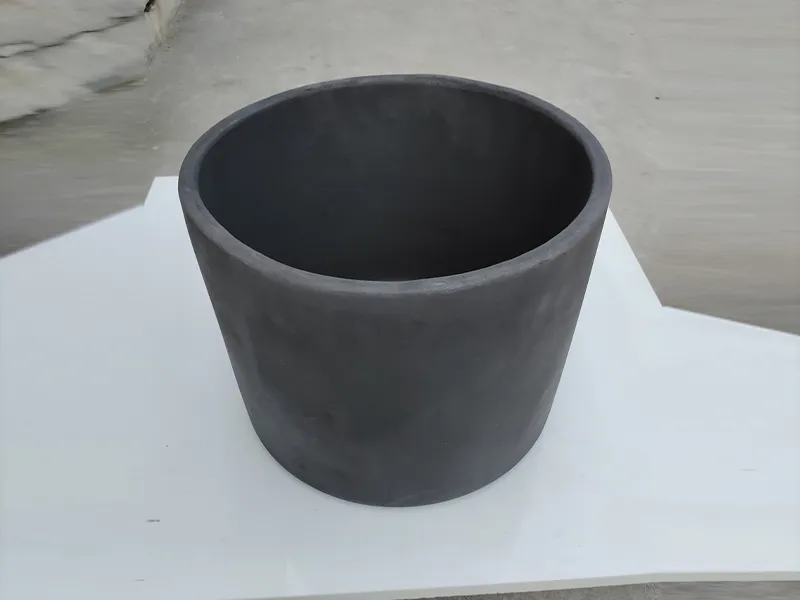
Understanding how different sintering methods impact crucible performance is essential for selecting the right crucible for your needs. By following the steps outlined, including material selection, temperature control, and avoiding common pitfalls, you can ensure the highest quality performance from your kiln crucibles.


