How Corundum Crucibles Enhance Efficiency in Metal Melting
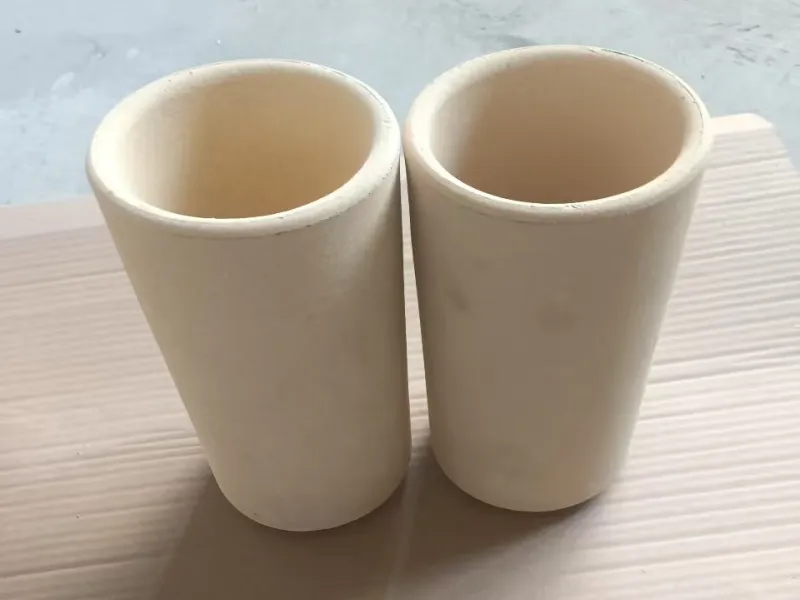
Metal melting, particularly when producing alloys, often presents significant challenges, including thermal losses, contamination, and inefficient heating. Users often seek comprehensive solutions to these issues, with kiln crucibles at the center of these challenges. A high-performance corundum crucible, like those from the Mingte brand, addresses these pain points efficiently. Their exceptional thermal stability and resistance to corrosion not only minimize contamination risks but can also increase production efficiency by up to 40%. To understand how corundum crucibles can transform melting processes, let's explore both the underlying needs and the practical steps involved.
Required Preparations for Using Corundum Crucibles
Before diving into the metal melting process using corundum crucibles, certain preparations are crucial for ensuring optimal results:
- Materials: High-purity corundum crucibles from Mingte, appropriate metal scrap or alloying elements, and any necessary flux materials.
- Tools: A high-temperature kiln capable of reaching temperatures upwards of 1600°C, a reliable thermo-coupler for temperature monitoring, and safety equipment.
- Safety Precautions: Ensure proper ventilation in the melting area and use personal protective equipment, including gloves, goggles, and heat-resistant clothing.
Step-by-Step Guidance to Metal Melting with Corundum Crucibles
Utilizing corundum crucibles effectively requires following precise steps to maximize efficiency and product quality:
- Step 1: Preheat the Kiln - Before placing the crucible inside, preheat your kiln to 800°C to allow gradual heating. This prevents thermal shock.
- Step 2: Load the Crucible - Carefully position the corundum crucible on a stable surface inside the kiln while loading your metal scrap or alloying elements. Avoid contact with any surface that could introduce contamination.
- Step 3: Gradual Heating - Increase the temperature to the melting point of your metal, typically between 1200°C and 1600°C, depending on the alloy composition. Maintain a consistent heating rate of no more than 150°C per hour to ensure even melting.
- Step 4: Monitor the Melting Process - Use a thermo-coupler to keep track of the internal temperature. Ensuring the crucible maintains temperature and does not overheat is crucial.
- Step 5: Tempering the Alloy - Once the metal has completely melted, temper the alloy by holding the temperature steady for an additional 30 minutes to 1 hour to improve homogeneity.
- Step 6: Pouring the Alloy - Carefully remove the crucible using tongs. Pour the molten metal into molds within 10 minutes to prevent solidification.
Common Mistakes and Solutions
Even experienced metalworkers can encounter issues when using corundum crucibles. Here are common mistakes and how to address them:
- Rapid Heating: Overheating can cause the crucible to crack. Always follow the gradual heating process to avoid thermal shock.
- Inadequate Safety Measures: Neglecting safety protocols can lead to accidents. Always wear proper PPE and provide adequate ventilation.
- Contamination Risks: Contamination can lead to defects in the alloy. Ensure that crucibles and tools are clean and that all materials are high purity.
Summary and Suggestions
Corundum crucibles, particularly those from Mingte, play a pivotal role in enhancing efficiency and productivity in metal melting and alloy production. Their ability to withstand high temperatures while minimizing contamination risks can lead to production efficiency improvements of up to 40%. Proper preparation, careful execution of the melting process, and adherence to safety protocols are essential for achieving the best results. For those looking to optimize their operations, consider investing in high-quality corundum crucibles and implement the outlined procedures consistently.
FAQ
1. What are the benefits of using corundum crucibles over traditional materials?
Corundum crucibles offer superior thermal stability, resistance to chemical reactions, and enhanced structural integrity at high temperatures, improving efficiency and product purity.
2. How do I choose the right size of corundum crucible for my application?
Select a crucible size based on the volume of metal you plan to melt, ensuring it allows for some expansion and additives in the process.
3. Can corundum crucibles be reused, and if so, what is the cleaning process?
Yes, they can be reused multiple times if properly cleaned. Wash them with distilled water after each use, avoiding abrasive materials that may scratch the surface.


